
Creatine in Coffee: Does It Work and What Does It Actually Do?
Creatine in Coffee: Does It Work and What Does It Actually Do?
TL;DR: Creatine mixed into coffee is safe, stable, and genuinely effective. The creatine survives the heat fine. The caffeine doesn't cancel it out. You get the performance benefits of both in one cup - and the compliance benefit of not needing a separate shake or powder. Here's what the science says and what to actually expect.
Creatine is one of the most studied performance supplements in existence. Thousands of trials over three decades. The consensus is unusually clear: it works, it's safe, and almost every mechanism they've proposed for why it works has held up.
Coffee is the most widely consumed psychoactive substance on earth.
Combining them sounds either obvious or slightly mad, depending on who you ask. Here's what actually happens when you put them together.
Does the heat damage creatine?
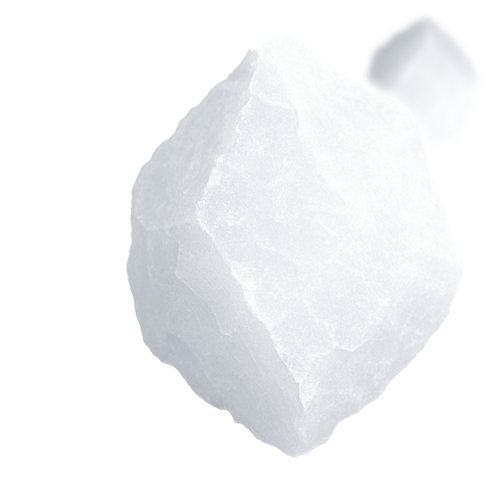
First concern most people raise. Creatine is a white powder that dissolves in liquid, and hot liquid does accelerate chemical reactions. So the worry makes sense.
But creatine monohydrate is chemically stable at coffee temperatures (typically 70-90°C). The conversion to creatinine - the breakdown product you want to avoid - happens over extended time at high heat, not in the few minutes between mixing and drinking. A study in the Journal of the International Society of Sports Nutrition confirmed this: creatine monohydrate dissolved in hot water remained stable.
So no, brewing your coffee doesn't degrade the creatine. Drink it reasonably quickly after mixing - don't let it sit for an hour - and you're fine.
Does caffeine cancel out creatine?
This comes up regularly and it's worth addressing directly.
One study from the late 1990s suggested that caffeine might reduce the muscle relaxation time after contraction - potentially interfering with creatine's recovery effects. That study was cited extensively. It was also small, used unusually high caffeine doses, and hasn't replicated well.
The broader evidence doesn't support "caffeine cancels creatine" as a rule. Multiple studies with athletes using both together show performance benefits consistent with what you'd expect from creatine. The two work through different mechanisms - creatine primarily through ATP regeneration, caffeine through adenosine receptor blockade - and don't meaningfully interfere.
What creatine actually does

Creatine is stored in muscle as phosphocreatine. During high-intensity effort - lifting, sprinting, anything that demands rapid energy - phosphocreatine donates a phosphate group to ADP to regenerate ATP. More available phosphocreatine means you can sustain that output slightly longer before hitting the fatigue wall.
Practically: slightly more reps at the end of a heavy set. Slightly faster recovery between sets. Over time, those marginal improvements compound into measurable strength and muscle gains. The meta-analyses are consistent on this.
There's also growing evidence for creatine's effects outside the gym. It's highly concentrated in the brain. Studies on sleep-deprived subjects and older adults have shown improvements in cognitive performance. It's not a nootropic in the dramatic sense, but it's not irrelevant either.
Why put it in coffee specifically?
Compliance. That's the honest answer.
Creatine requires daily dosing to maintain higher muscle phosphocreatine stores. Miss a few days and the stores deplete. That means the benefit depends on consistency, more than taking it occasionally when you remember.
Most people already drink coffee every day without thinking about it. If the creatine is already in the coffee, the compliance problem goes away. You don't need a separate shaker, you don't need to remember a second step, you don't have to mix it into something you don't love the taste of.
What boost does with this
SUPERCHARGED includes creatine monohydrate alongside the testosterone-support stack - zinc, shilajit, fenugreek, vitamin D, magnesium, maca. The creatine handles immediate performance: energy in the gym, mental clarity in the morning. The T-support ingredients work on the longer-term hormonal foundation.
These aren't competing. They're doing different things across different timeframes.
The creatine is why most people notice something in the first few days. Cleaner energy, less of a hard crash mid-morning. The hormonal effects take 4-8 weeks to build. But you feel the creatine working immediately, which makes it easier to stay consistent long enough for the rest to kick in.
Frequently Asked Questions
Is creatine safe to take daily?
Yes. Creatine monohydrate has one of the strongest safety records in sports nutrition. Long-term studies at standard doses (3-5g/day) show no adverse effects in healthy adults. The kidney concern that circulates online isn't supported by evidence in people with normal kidney function.
Does creatine cause water retention?
It increases intramuscular water content - the water goes inside muscle cells, which is part of how it works. Some people notice they look slightly fuller. This isn't the same as subcutaneous bloating, though some people experience that temporarily during the first week or two.
Does it matter if I drink my coffee black or with milk?
Not for the creatine. The absorption happens in the gut regardless of what else is in the cup.
Should I do a loading phase?
Standard loading (20g/day for 5-7 days) saturates the muscles faster, but you reach the same endpoint with 3-5g/day over three weeks. No difference in outcome. The loading phase mainly speeds up how quickly you feel it.
Can I take creatine if I don't go to the gym?
The strength and muscle benefits are exercise-dependent. But the cognitive and cellular energy benefits apply regardless. And if the creatine in your morning coffee makes your workouts more effective when you do train, that's still valuable.


