
Creatine for Women: Does It Work the Same? (The Research, Honest)
Written by Gatis Strods, founder of TestoHit
TL;DR: Creatine is just as effective for women as it is for men. It improves strength, muscle mass, and cognitive function without causing bulky muscles or hormonal issues. The common fear of bloating is mostly a misunderstanding of how the body stores water inside the muscle cells.
Breaking the Gender Barrier in Supplementation
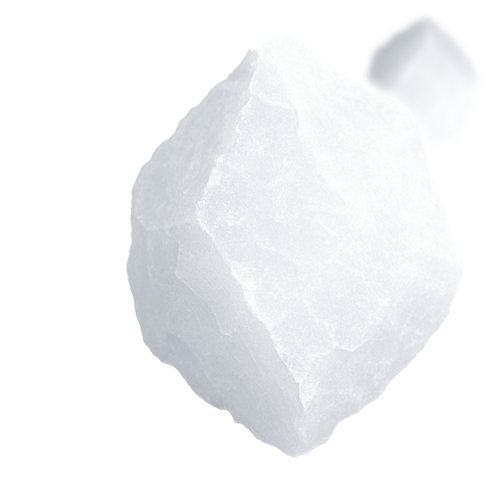
For a long time, creatine was marketed almost exclusively to men. It was the "muscle builder" found in every bodybuilder's kitchen. This created a misconception that creatine is a male-only supplement.
The reality is that your body's physiology doesn't care about the marketing on the bottle. Creatine is a fundamental energy molecule used by every human cell. Women have the same energy systems as men. They have the same need for Adenosine Triphosphate (ATP) during intense activity. In fact, research shows that women may have naturally lower creatine stores in their muscles than men, which means they could benefit even more from supplementation.
What the Research Says for Women
The scientific evidence for women taking creatine is clear and positive.
A major review by Smith-Ryan et al. (Journal of the International Society of Sports Nutrition, 2021) examined decades of research on creatine and females. The researchers found that creatine supplementation is effective for women across all life stages, from young athletes to post-menopausal women. They noted that it consistently improves strength, power, and sprint performance.
An earlier study by Vandenberghe et al. (1997) compared men and women during a resistance training program. Both groups took either creatine or a placebo. The results showed that women who took creatine gained significantly more strength and lean muscle mass than those who took the placebo. The relative gains were similar to those seen in men.
Performance Benefits Beyond the Gym
Many women avoid creatine because they aren't trying to become bodybuilders. They just want to stay fit, tone up, or perform better in their sport.
Strength and Power
If you do any kind of resistance training, creatine will help. By increasing your muscle's ability to recycle energy, you can do more work in each session. Instead of stopping at eight reps, you might get ten. This extra volume is what leads to better muscle tone and functional strength over time. It makes your workouts more productive without requiring more time in the gym.
High-Intensity Endurance
Creatine isn't just for heavy lifting. It's also beneficial for high-intensity intervals (HIIT), sprinting, or any activity that requires short bursts of effort. If you play sports like tennis, football, or netball, creatine can help you maintain your speed and power through the end of the match. It supports the energy system that powers your first ten seconds of maximal effort.
Cognitive Benefits and Brain Health
Your brain is one of the most energy-demanding organs in your body. It uses about 20% of your total daily calories. Just like your muscles, your brain uses ATP for energy.
Research has shown that creatine can support cognitive function, especially in women. Benton and Donohoe (2011) found that creatine supplementation improved memory and intelligence test scores. Another study by McMorris et al. (2007) showed that creatine can help mitigate the cognitive decline that happens with sleep deprivation.
For women who are balancing careers, family, and training, the mental clarity and focus that comes from better brain energy can be a significant advantage. This is particularly relevant during times of hormonal change, such as the menstrual cycle or menopause, when cognitive "fog" is common.
Addressing the Water Retention Fear
The biggest reason women hesitate to take creatine is the fear of "bloating" or gaining weight.
It is true that you might see the scale go up by 1 to 2 kilograms in the first few weeks. But it is important to understand where that weight is coming from. Creatine draws water into your muscle cells. This is called intramuscular hydration. It is not "bloating" under the skin or around the midsection. This is why you don't look soft when taking it.
This extra water makes your muscles look fuller and firmer, not bulky or soft. It also helps with protein synthesis and recovery. Most women find that any initial weight gain stabilizes after a few weeks. The long-term benefit of having more lean muscle mass far outweighs a temporary shift on the scale.
Hormones and "Bulkiness"
Another common myth is that creatine will affect your hormones or make you look like a man.
Creatine is not a hormone. It has no androgenic effect. It does not increase testosterone in women, and it does not affect estrogen or progesterone levels. You will not grow facial hair or develop a deep voice from taking creatine. It is simply an energy-carrying molecule.
As for the fear of getting "bulky," women do not have the hormonal profile to build huge amounts of muscle naturally. To look like a professional bodybuilder, you need massive amounts of testosterone and years of extremely specific training and diet. For the average woman, creatine will simply help you get stronger and look more defined.
Optimal Dose for Women
The recommended dose for women is the same as for men: 3 to 5 grams of creatine monohydrate per day.
Because women typically have less muscle mass than men, they are often on the lower end of that range. 3 grams is usually enough to maintain full muscle saturation. You can choose to do a loading phase (20 grams per day for 5 days), but it isn't necessary. Taking a steady 3-5 gram dose daily will get you to the same place within about a month.
Creatine and the Life Cycle
The needs of a woman's body change over time, and creatine can be a useful tool at every stage.
The Menstrual Cycle
During certain phases of the menstrual cycle, creatine levels in the body can fluctuate. Supplementing ensures that you always have a reliable energy supply, which can help you maintain your training intensity even when you feel tired. It can help bridge the gap when your body's natural energy production feels a bit low.
Menopause and Healthy Aging
As women age, they are at a higher risk for bone density loss and sarcopenia (muscle loss). Creatine, combined with resistance training, has been shown to be very effective at slowing down these processes. It helps maintain bone mineral density and keeps muscles strong, which is vital for long-term health and independence. Some research suggests that creatine may also help with bone mineral density directly, as it supports the energy needed for bone-building cells.
Cognitive Support in Menopause
Many women experience a drop in cognitive function during menopause. This is often linked to declining estrogen levels. Because creatine supports brain energy, it can be a helpful non-hormonal tool for managing this transition. It provides a biological boost to the energy systems that estrogen usually helps regulate.
Integrating Creatine into Your Life
Consistency is the most important factor in seeing results. If you take creatine only once or twice a week, you won't reach the muscle saturation needed to feel the benefits.
You need to make it part of a daily ritual. Many women find that adding a 3-gram scoop to their morning smoothie or post-workout protein shake is the easiest way to remember. If you prefer capsules, that is equally effective.
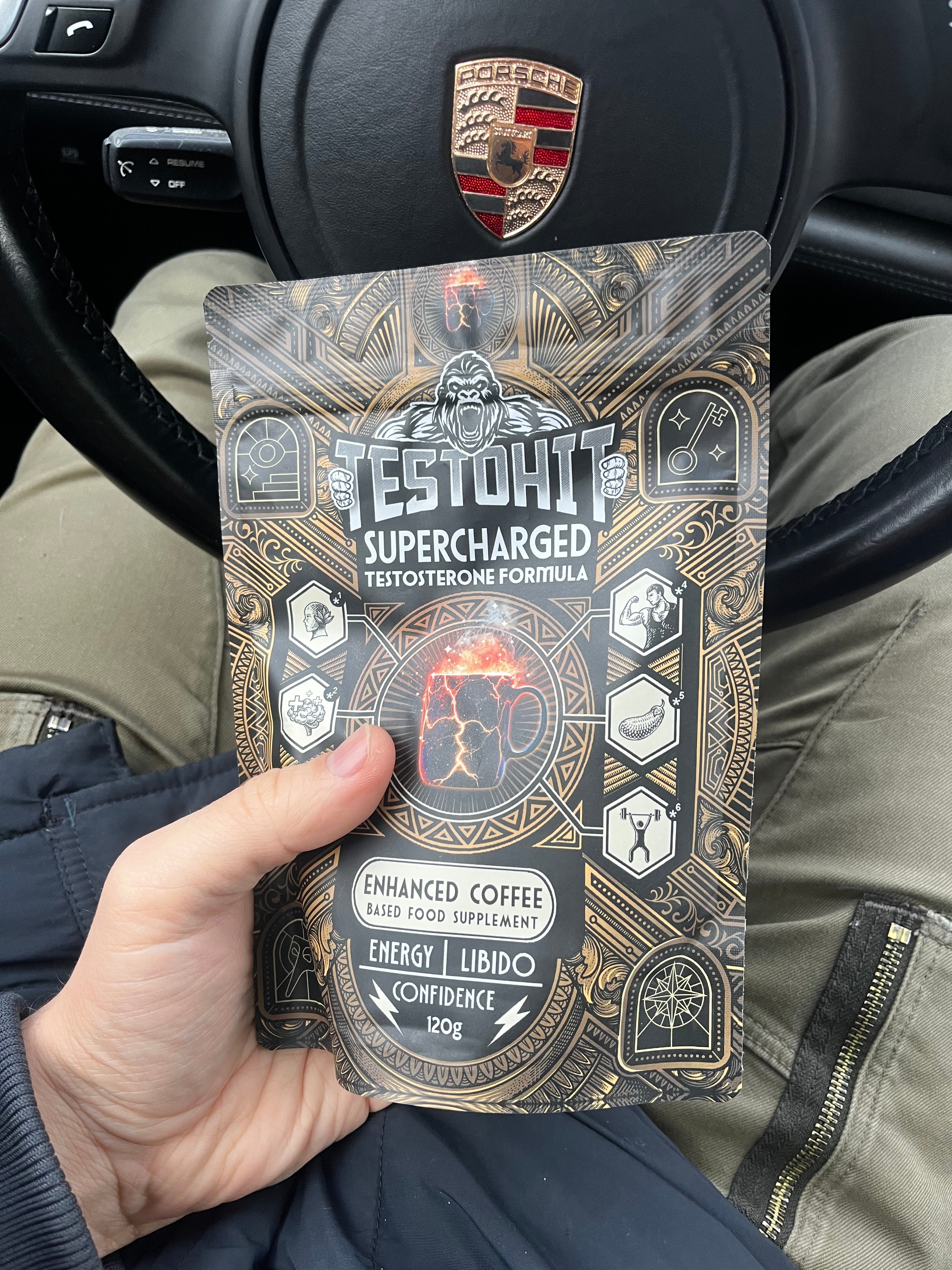
While many performance products are designed for men, the science behind them often applies to everyone. For example, SUPERCHARGED coffee is a product designed for men that includes creatine and testosterone-supporting ingredients. While women generally don't need a testosterone-specific supplement, the inclusion of creatine in a daily coffee habit is a great way to ensure consistency.
If the man in your life is looking for a way to improve his physical and mental performance, SUPERCHARGED coffee is a simple, natural fit for his routine: Try SUPERCHARGED Testosterone Coffee For women, we recommend sticking to a high-quality pure creatine monohydrate powder or capsule.
Why Monohydrate is Still the Best for Women
You might see "creatine for her" products that are more expensive or contain extra ingredients like vitamins or fat burners. Most of the time, these are unnecessary. Companies often try to justify a higher price by adding fancy branding or minor ingredients that don't actually change how the creatine works.
Plain creatine monohydrate is the most studied form. It has nearly 100% absorption and is very affordable. You don't need fancy buffered versions or liquid formulas. Stick to the basics. It's the same form used in all the studies that show benefits for women. If a product claims to be "specifically for women" but doesn't contain monohydrate, it is likely less effective. A pure powder or capsule is all you need for real results. It is also the most versatile, as it can be added to any food or drink without affecting the taste much.
Frequently Asked Questions
Does creatine make women bulky?
No. Women do not have the hormonal environment to build large amounts of muscle. Creatine will help you get stronger and more toned, but it will not make you look bulky. It helps build the lean tissue that gives you a fit appearance.
Is creatine safe for women?
Yes. Hundreds of studies have shown that creatine is safe for women of all ages. It does not affect hormones and has no long-term negative health effects in healthy individuals. It is one of the most researched supplements in the world.
How much creatine should women take?
The standard dose is 3 to 5 grams per day. Most women find that 3 grams is sufficient to maintain muscle saturation. Taking more than 5 grams won't offer extra benefits.
Does creatine affect female hormones?
No. Creatine is a nitrogenous organic acid, not a hormone. It does not affect estrogen, progesterone, or testosterone levels in women. It is safe to use throughout your cycle.
When should women take creatine?
Consistency is more important than timing. Take it whenever you are most likely to remember it every day. Many people prefer taking it in the morning or post-workout.
Does creatine help with weight loss in women?
Creatine helps you maintain your strength and muscle mass while you are in a calorie deficit. This means the weight you lose is more likely to be fat rather than muscle, leading to a better body composition. It's an excellent tool for preserving muscle during a fat loss phase.
Final Word for Women
Don't let the "gym bro" stigma keep you from using one of the most effective tools in sports nutrition. Whether you want to improve your marathon time, lift heavier in your CrossFit class, or just stay sharp at work, creatine has something to offer. It is safe, effective, and backed by a mountain of evidence. Start with a simple 3-gram daily dose and see how it works for you.


