
Why Men Over 30 Feel Tired All The Time
Written by Gatis Strods, founder of TestoHit
TL;DR: Men over 30 often feel tired due to a natural 1-2% annual decline in testosterone, combined with high cortisol and common nutritional deficiencies like magnesium and zinc. Addressing these hormonal and nutritional gaps can significantly restore energy levels and mental clarity.
Why am I so tired all the time male over 30
Your body at 35 is not your body at 22. You know this. Your knees know this. That 3pm slump that used to be a minor inconvenience is now a full-blown existential crisis where you'd trade your car for a twenty-minute nap. If you're asking why am i so tired all the time male over 30, you're not alone. It's the number one complaint I hear from men who used to have 'drive' and now just have a list of errands they're too exhausted to finish.
Gatis Strods built boost partly because he was the guy who needed four coffees to feel human by 11am. He was 30, active, and should have been in his prime. Instead, he was dragging. He realized that the standard caffeine hit wasn't enough because the problem wasn't just 'lack of coffee'. It was a deeper hormonal and nutritional drain that hits men exactly when their careers and families demand the most from them.
The slow leak of testosterone
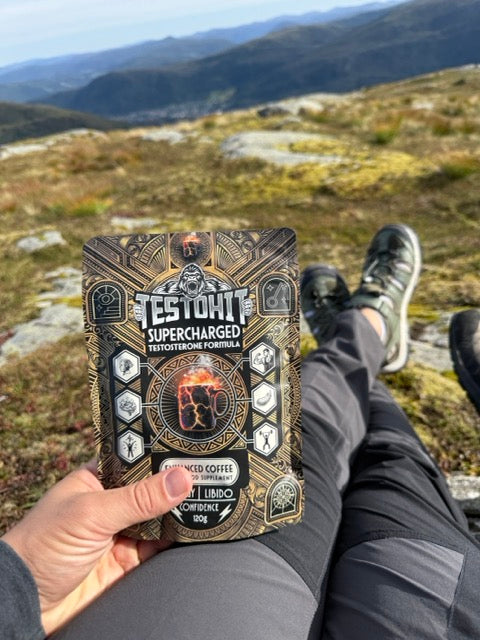
Testosterone levels in men naturally decline by about 1% to 2% every year once you cross the age of 30. This isn't a sudden drop-off, but a slow leak that eventually leaves your energy tank perpetually near empty. According to Harman et al. in the Journal of Clinical Endocrinology & Metabolism (2001), this longitudinal decline is a standard biological reality for the aging male. It’s why you don’t bounce back from a late night like you used to.
Testosterone is the primary driver of male vitality. It’s more than about what happens in the bedroom. It’s about muscle protein synthesis, metabolic rate, and cognitive function. When your levels dip, your body's ability to generate and maintain energy dips with it. You aren't just 'getting old'. Your engine is running on low-grade fuel.
The cortisol trap and the energy drain
High cortisol levels from chronic stress actively suppress testosterone production and destroy your sleep quality. It’s a biological tug-of-war where stress wins and your energy loses. Cortisol is the 'fight or flight' hormone. In the modern world, it’s less about running from lions and more about back-to-back Zoom calls and mortgage payments.
When cortisol is high, your body stays in a catabolic state. This means it’s breaking things down rather than building them up. It also messes with your sleep architecture. You might get eight hours, but if your cortisol is spiking at 3am, you’re not getting the deep, restorative sleep your body needs to produce more testosterone and repair itself.
Magnesium and Zinc: The missing pieces
Magnesium and zinc deficiencies are incredibly common in men over 30 and are direct contributors to chronic fatigue and low testosterone. Maggio et al., writing in Biological Trace Element Research (2011), found a significant correlation between magnesium levels and testosterone levels in both sedentary and athletic men. If you’re low on magnesium, you’re likely low on T.
Zinc is equally vital. It’s involved in over 300 enzymatic reactions in the body, many of which are responsible for energy production and hormonal balance. We lose zinc through sweat and stress. Most of us aren't eating enough oysters or pumpkin seeds to keep up with the demand. Without enough zinc, your body simply cannot maintain optimal hormonal health.
Shilajit: The ancient energy secret
Shilajit is a nutrient-dense mineral resin that has been used for centuries to combat fatigue and improve physical performance. Modern research backs this up. Biswas et al. (Andrologia, 2016) demonstrated that purified shilajit supplementation can significantly increase testosterone levels and improve energy biomarkers in healthy volunteers.
It works at the cellular level, supporting mitochondrial function. Think of your mitochondria as the batteries in your cells. Shilajit helps these batteries hold a better charge and produce more ATP (adenosine triphosphate), which is the literal currency of energy in your body. When you add shilajit to your daily routine, you’re more than masking fatigue with stimulants; you’re supporting the actual machinery of energy production.
Creatine isn't just for bodybuilders

Creatine is one of the most researched supplements on the planet, and its benefits for daily energy and cognitive function are often overlooked in the quest for muscle. Creatine helps replenish ATP stores quickly. This is why it’s famous for short bursts of power in the gym, but that same mechanism applies to your brain and your daily stamina.
If you’re a man over 30, you’re likely losing muscle mass (sarcopenia) and your ATP recycling isn't as efficient as it once was. Creatine provides that extra buffer. It keeps the 'lights on' when you’d normally hit a wall. It’s a fundamental tool for anyone looking to fix why am i so tired all the time male over 30.
Frequently Asked Questions
Why am I so tired after 30?
The most common reasons are a natural decline in testosterone, increased cortisol from life stress, and nutritional gaps like magnesium or zinc deficiency. After 30, your body’s hormonal baseline shifts, making you less resilient to poor sleep and high stress than you were in your twenties.
Is fatigue a sign of low testosterone?
Yes, chronic fatigue and a general sense of lethargy are among the most frequent early indicators of low testosterone in men. While many factors can cause tiredness, a persistent lack of energy that doesn't improve with rest is often hormonal in nature.
Does testosterone affect energy levels?
Testosterone plays a direct role in energy metabolism, red blood cell production, and mitochondrial function, all of which determine your daily energy levels. Low levels lead to decreased muscle mass and increased fat, which further slows your metabolism and energy output.
What vitamins help with tiredness in men?
Vitamins B5, B6, C, and D are vital for energy production and hormonal health, alongside minerals like zinc and magnesium. Vitamin D, in particular, acts more like a hormone and is essential for maintaining healthy testosterone levels and consistent energy.
Can creatine help with fatigue?
Creatine helps the body recycle ATP, the primary energy molecule, which can reduce both physical and mental fatigue. By ensuring your cells have a ready supply of energy, creatine helps maintain stamina throughout the day, more than during workouts.
How long until supplements improve energy?
While some effects like the ATP boost from creatine or shilajit can be felt within a few days, hormonal balance typically takes 4 to 12 weeks of consistent supplementation. Most men report a significant shift in their 'baseline' energy after about a month of addressing their nutritional and hormonal gaps.
If you want to address this properly, SUPERCHARGED covers the key bases - zinc, shilajit, magnesium, creatine, fenugreek - in your morning coffee. MAXX adds DAA, Rhodiola, and Boron for the full stack.


