
Does Zinc Help Testosterone? The Evidence
Written by Gatis Strods, founder of TestoHit
TL;DR: Zinc is one of the few minerals with a direct, proven role as a cofactor in testosterone biosynthesis. Clinical research shows that even a mild zinc deficiency can cause a significant drop in a man's testosterone levels, while supplementing with a bioavailable form like zinc gluconate can help restore hormonal balance.
Does Zinc Help Testosterone? The Evidence Is Clearer Than You'd Think
Zinc is not glamorous. It does not have an exotic origin story involving Himalayan monks or ancient rainforests. It is a humble metal that you can find in oysters, beef, and most hardware stores. But when it comes to male hormones, zinc is the absolute foundation. If you do not have enough zinc, your body physically cannot build testosterone. It is that simple.
When I hit 30, I was looking for the "next big thing" in biohacking. I was trying all kinds of complex extracts and powders. But I was ignoring the basics. I was physically active, sweating every day, and eating a "clean" diet that was actually low in bioavailable zinc. My T levels were in the basement. It wasn't until I addressed this basic deficiency that my energy and libido finally came back to life.
Does zinc increase testosterone?
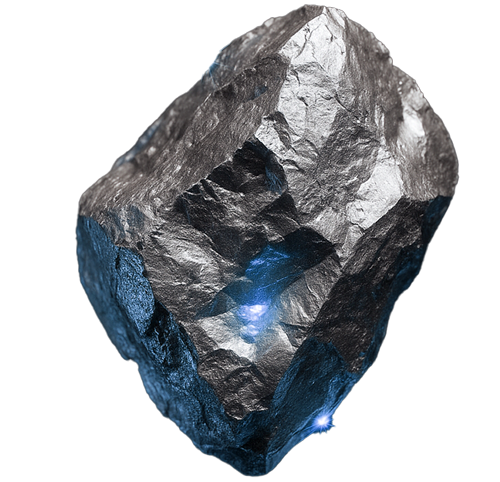
Zinc increases testosterone by acting as a direct cofactor for the enzymes involved in the conversion of cholesterol into testosterone (steroidogenesis). It also helps regulate the secretion of Luteinizing Hormone (LH) from the pituitary gland, which is the "master signal" that tells the testes to start producing T.
The evidence for zinc is remarkably strong. Prasad et al. (Nutrition 1996) conducted one of the most famous studies on this topic. They restricted the dietary zinc intake of healthy young men for 20 weeks. The result was staggering: their testosterone levels dropped from an average of 39.9 nmol/L to just 10.6 nmol/L - a 75% reduction. When they gave zinc-deficient older men a supplement for six months, their T levels nearly doubled. Zinc is not a "booster"; it is a requirement.
How much zinc per day for testosterone?
The optimal amount of zinc per day for testosterone is between 15mg and 30mg, depending on your activity level and diet. While the RDA is 11mg, physically active men lose zinc through sweat, and most men only absorb about 20-30% of the zinc they consume from food.
At boost, we use 17.5mg of zinc gluconate per serving. This is the "sweet spot" for most men. It is high enough to correct a deficiency and support heavy training, but low enough to avoid the side effects of excessive zinc intake (like copper depletion). Taking 50mg or 100mg of zinc a day is not "better" - it is actually dangerous over the long term. You want a steady, daily dose that matches what your body actually uses.
Zinc, exercise, and the recovery process
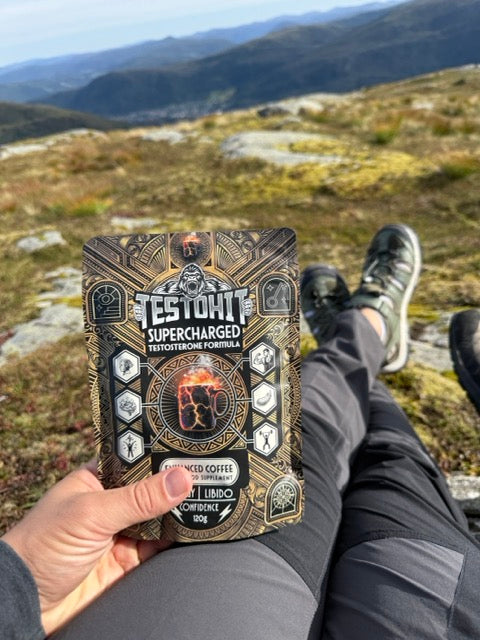
Zinc is particularly important for men who exercise intensely because it protects against the temporary drop in testosterone that often occurs after a heavy workout. Kilic et al. (Neuro Endocrinology Letters 2010) studied elite wrestlers and found that those who supplemented with zinc maintained higher testosterone levels and better performance compared to the control group.
If you are hitting the gym five days a week, your "zinc burn rate" is much higher than the average man's. Zinc is also essential for muscle repair and protein synthesis. It helps regulate the activity of over 300 enzymes, many of which are responsible for healing the tissue damage you cause during training. Without enough zinc, your recovery is slower, and your T levels stay suppressed for longer after a hard session.
What form of zinc is best for testosterone?
The best form of zinc for testosterone is a bioavailable organic salt like zinc gluconate, zinc citrate, or zinc picolinate. These forms are much more easily absorbed by the human digestive tract than inorganic forms like zinc oxide, which is common in cheap multivitamins but has very low bioavailability.
Many men make the mistake of buying the cheapest zinc they can find. If you are taking zinc oxide, most of it is simply passing through your system. You want a form that your body can actually use. Zinc gluconate is widely considered one of the most effective and well-tolerated forms. It is what we chose for TestoHit because it gets into your system quickly and starts supporting your hormonal machinery immediately.
Can you get enough zinc from food?

While you can get zinc from food, it is increasingly difficult due to soil depletion and the prevalence of phytates in modern diets (which block zinc absorption). Oysters and red meat are the best sources, but unless you are eating a ribeye or a dozen oysters every single day, you are likely not hitting the "optimal" range for a man over 30.
Vegetarians and vegans are at a particularly high risk for zinc deficiency, as plant-based sources of zinc (like nuts and seeds) are also high in phytates. Even for meat-eaters, the way we produce food today means that the mineral content of our diet is lower than it was 50 years ago. Supplementation is not "unnatural" - it is a necessary response to a modern environment that is no longer nutritionally dense.
Is zinc safe to take daily?
Zinc is safe to take daily at doses under 40mg, provided you are aware of your total intake from all sources. Taking extremely high doses of zinc for long periods can interfere with the absorption of copper, which is why it is important to stick to a "therapeutic" range of 15-30mg rather than mega-dosing.
I always recommend taking zinc with a meal or as part of a balanced blend like TestoHit. Taking zinc on an empty stomach can sometimes cause mild nausea. By integrating it into your daily coffee ritual, you ensure a consistent, safe dose that builds up in your system over time. It is about consistency, not intensity. Zinc works best when it is a permanent part of your biological foundation.
For men dealing with this, SUPERCHARGED covers 17.5mg of bioavailable zinc gluconate daily. MAXX adds copper and boron to ensure a balanced mineral profile while further supporting free testosterone.
Frequently Asked Questions
Does zinc increase testosterone?
Yes, zinc is a direct cofactor in the biosynthesis of testosterone, and Prasad et al. (1996) demonstrated that a deficiency can lower T levels by up to 75%.
How much zinc per day for testosterone?
For most men, a daily dose of 15mg to 30mg is optimal for supporting testosterone production and maintaining a healthy hormonal baseline.
What form of zinc is best for testosterone?
Bioavailable forms like zinc gluconate and zinc citrate are the best choices because they are much more easily absorbed than cheaper alternatives like zinc oxide.
How long before zinc increases testosterone?
If you have a deficiency, you can see a measurable improvement in your energy and hormonal markers within 4 to 8 weeks of consistent zinc supplementation.
Can you get enough zinc from food?
While oysters and red meat are great sources, many men struggle to get optimal levels from food alone due to soil depletion and the presence of zinc-blocking phytates in modern diets.
Is zinc safe to take daily?
Zinc is safe for daily use at doses below 40mg; however, long-term mega-dosing should be avoided as it can interfere with the absorption of other minerals like copper.


