
Does Body Fat Lower Testosterone? (Yes. Here's Why.)
Written by Gatis Strods, founder of TestoHit
Does Body Fat Lower Testosterone? (Yes. Here's the Vicious Cycle.)
TL;DR: Excess body fat, particularly visceral fat, lowers testosterone through the action of the aromatase enzyme, which converts male hormones into estrogen. This creates a self-perpetuating "vicious cycle" where low testosterone leads to increased fat storage and decreased muscle mass, which in turn further lowers testosterone levels. Breaking this cycle requires a combination of resistance training, metabolic control, and specific nutritional interventions like fenugreek and zinc.
The belly and the testosterone have a relationship. An unhealthy one. I have seen many men who are "skinny-fat" or overtly obese wonder why their energy levels are in the basement and their libido has disappeared. They often assume it’s just "getting older." In reality, they are carrying around a chemical factory on their midsection that is actively sabotaging their masculinity.
Adipose tissue (fat) is more than an inert storage site for extra calories. It is a highly active endocrine organ. It secretes hormones and enzymes that directly impact your systemic biology. If you are carrying excess body fat, you aren't just "out of shape"; you are hormonally compromised. This article will explain exactly how this works and, more importantly, how you can stop the bleeding.
Does being overweight lower testosterone?
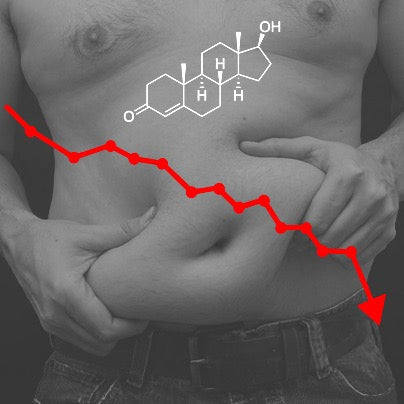
Being overweight significantly lowers testosterone because adipose tissue contains high levels of the aromatase enzyme, which actively converts testosterone into estradiol (estrogen). This biochemical conversion is the primary reason why obese men often have significantly lower serum testosterone levels than their leaner counterparts. In a 1994 study published in the Journal of Clinical Endocrinology & Metabolism, Giagulli et al. found that obese men had markedly reduced free and total testosterone levels compared to control groups.
The more fat you have, the more aromatase you have. The more aromatase you have, the more of your own testosterone is being turned into estrogen. This isn't just a "low-T" problem; it is a "high-estrogen" problem. This hormonal shift further encourages the body to store fat in a "female" pattern, such as in the chest and hips. It is a biological transformation that works against everything a man typically wants for his health and performance.
The vicious cycle of fat and testosterone
The vicious cycle of fat and testosterone begins when low testosterone levels lead to reduced muscle mass and a slower metabolism, which results in more fat storage, which then increases aromatase activity and further lowers testosterone. This feedback loop is what makes it so difficult for overweight men to "just lose the weight."
When your testosterone is low, your body is in a catabolic state regarding muscle tissue. You lose the "metabolic engine" of your muscle mass. This makes it easier to gain fat, even if your calorie intake remains the same. As the fat accumulates, the aromatase activity increases, and your testosterone drops even further. Mårin et al. (1993) published research in Obesity Research showing that testosterone treatment could actually reduce visceral fat, which proves that the causality works in both directions. If you can raise your testosterone, you can start to break the cycle from the other side.
Why visceral fat is the real enemy

Visceral fat, the deep fat that surrounds your internal organs, is the most hormonally active and dangerous type of fat for a man’s testosterone levels. Unlike subcutaneous fat (the "pinchable" fat just under your skin), visceral fat is metabolically active and pro-inflammatory.
It secretes cytokines that increase systemic inflammation, which further suppresses the pituitary gland’s signal to the testes to produce testosterone. If you have a "beer belly" or a firm, protruding midsection, you likely have high levels of visceral fat. This is the fat that is doing the most damage to your endocrine system. Reducing this specific type of fat should be the priority for any man looking to restore his hormonal health.
The role of aromatase and how to inhibit it
Aromatase is the enzyme responsible for the conversion of androgens to estrogens, and inhibiting its activity is a key strategy for men looking to raise their testosterone while carrying excess body fat. While pharmaceutical aromatase inhibitors exist, there are also natural compounds that can help modulate this enzyme's activity.
Fenugreek extract, for example, has been shown in studies like Wankhede (2016) to have a mild aromatase-inhibiting effect. By slowing down the conversion of testosterone into estrogen, you allow more of your natural testosterone to remain in circulation. This is why fenugreek is a staple in high-quality male health supplements. It helps "plug the leak" in your hormonal bucket while you work on losing the fat.
How to break the cycle for good
Breaking the fat-testosterone cycle requires a two-pronged approach: increasing physical stimulus through resistance training and supporting the body's natural hormone production with specific micronutrients like zinc and magnesium.
Resistance training is non-negotiable because it sends a signal to the body that muscle mass is required for survival. This signal helps preserve muscle tissue even in a calorie deficit. Simultaneously, you must ensure your body has the raw materials it needs to produce testosterone. Zinc is a critical component here; it is involved in the synthesis of testosterone and can help restore levels in men who have become deficient due to poor diet or high stress. By combining a "clean" stimulant like coffee with these nutrients, you can give your body the "metabolic kick" it needs to start burning fat and building muscle again.
Realistic expectations for fat loss and T-levels
You should expect that as your body fat percentage drops, your natural testosterone production will increase, but this process takes time and requires consistent adherence to a nutritional and training protocol. Most men find that once they drop below 15-18% body fat, their energy levels and "vitality" markers begin to return to normal.
This isn't an overnight fix. It is a 90-day game. You are essentially "re-coding" your hormonal environment. As you lose fat, you have less aromatase. As you have less aromatase, you have more testosterone. As you have more testosterone, you have more energy to train harder and burn more fat. This is the "virtuous cycle" that replaces the vicious one.
For men looking to address this, SUPERCHARGED contains fenugreek and zinc to help inhibit aromatase and support T production. MAXX adds the extra muscle-preserving compounds like DAA and Boron to help you break the cycle faster.
FAQ
Does being overweight lower testosterone?
Yes, excess body fat increases the conversion of testosterone into estrogen via the aromatase enzyme.
Does belly fat lower testosterone?
Visceral belly fat is particularly harmful because it is metabolically active and secretes pro-inflammatory chemicals that suppress hormone production.
Can losing weight increase testosterone?
Absolutely. Many studies show that significant weight loss can restore testosterone levels to a healthy range without the need for medical intervention.
What is aromatase and why does it matter?
Aromatase is the enzyme that turns your testosterone into estrogen. High levels of body fat lead to high levels of aromatase activity.
How much does body fat affect testosterone?
Men with a body fat percentage over 25% typically have significantly lower testosterone than those in the 10-15% range.
Does exercise help break the fat-testosterone cycle?
Yes, especially resistance training, which builds muscle mass and increases the metabolic demand, helping to lower fat and raise T.


