
Tongkat Ali and Fadogia Agrestis: Stack or Hype?
Written by Gatis Strods, founder of TestoHit
TL;DR: Tongkat Ali and Fadogia Agrestis are popular for natural testosterone support, but they have very different levels of scientific backing. While Tongkat Ali has several human trials showing it works, Fadogia Agrestis relies almost entirely on animal data and carries potential safety risks at high doses.
What are Tongkat Ali and Fadogia Agrestis?
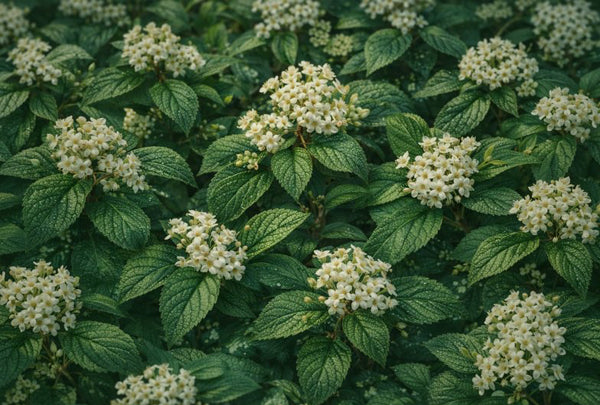
Tongkat Ali is a root from Southeast Asia that helps the body release more testosterone by stimulating the pituitary gland. Fadogia Agrestis is a Nigerian shrub that is believed to work through a different pathway, possibly by mimicking the signaling hormone that tells your testes to produce more testosterone.
Tongkat Ali (Eurycoma longifolia) has a long history of traditional use for libido and energy. Modern science has confirmed many of these traditional claims through human clinical trials. Fadogia Agrestis, on the other hand, is a relatively new arrival in the supplement world. It gained massive popularity after being discussed on high-profile podcasts, but the actual data in humans is still very thin.
The Evidence for Tongkat Ali
Tongkat Ali has several human studies showing it can increase testosterone in men with low levels or high stress. It works by improving the signal from the brain to the testes and by reducing the amount of testosterone that gets bound to proteins, making it more available for your body to use.
A key study by Tambi et al. in the Asian Journal of Andrology (2012) looked at 76 men with late-onset hypogonadism. They took 200mg of a standardized Tongkat Ali extract daily for one month. The researchers found that the percentage of men with normal testosterone levels jumped from 35.5% to 90.8%. This is a significant result for a natural herb.
Another study by Talbott et al. in the Journal of the International Society of Sports Nutrition (2013) focused on stressed individuals. They gave 64 men and women 200mg of Tongkat Ali daily for four weeks. The participants saw a 37% increase in testosterone and a 16% reduction in cortisol. This improved their T-to-cortisol ratio, which is a key marker of hormonal health and recovery.
The Evidence for Fadogia Agrestis
Fadogia Agrestis currently has zero published human clinical trials to support its use for testosterone. Almost everything we know about this plant comes from studies on rats, which showed that it could increase blood testosterone levels and improve sexual behavior by increasing luteinizing hormone (LH).
While the animal data is interesting, it does not always translate to humans. The rodent studies showed a dose-dependent increase in testosterone, which led many to believe that "more is better." However, these same studies also flagged potential hepatotoxicity (liver damage) and kidney damage at higher doses. Without human safety data, it is impossible to know what a safe or effective dose is for a person.
The popularity of Fadogia is largely driven by "anecdotal evidence" and its promotion by figures like Andrew Huberman. Many users report feeling more aggressive or stronger in the gym, but without blood work to confirm their T-levels, these effects could be due to other factors or a placebo effect.
Should You Stack Tongkat Ali and Fadogia Agrestis?
There are no human studies that have tested the combination of Tongkat Ali and Fadogia Agrestis together. The theory behind the stack is that because they work through different mechanisms - one through the pituitary gland and one through direct testicular stimulation - they might have an additive effect on testosterone levels.
This is a common strategy in the supplement world: hit the same target from multiple angles. For example, if you combine a herb that increases LH with a mineral like Zinc that the testes need to actually build the hormone, you have a better chance of success. Stacking TA and FA is a more aggressive approach, but it lacks the safety profile of more established combinations.
If you decide to try this stack, you should be cautious. Tongkat Ali is generally well-tolerated, but Fadogia should be cycled (e.g., three weeks on, one week off) to minimize any potential strain on the liver or kidneys.
Who Benefits Most from These Herbs?

Men with low baseline testosterone or high cortisol levels are most likely to see a measurable benefit from Tongkat Ali. If you are already at the top of the natural range, adding more LH-stimulating herbs won't necessarily push you higher, as your body has built-in feedback loops to maintain balance.
These herbs are best used as part of a lifestyle that already includes heavy lifting, adequate sleep, and a high-protein diet. They are not a "magic pill" that will fix the damage of a poor diet or chronic sleep deprivation. They provide an edge for men who are already doing the work but want to optimize their recovery and performance.
The TestoHit MAXX Alternative
TestoHit MAXX uses a different approach to testosterone optimization by relying on ingredients with a stronger human safety and efficacy record. Instead of speculative herbs like Fadogia, MAXX uses Muira Puama and Rhodiola Rosea. These are adaptogens that help the body manage stress and fatigue, which are the primary killers of natural testosterone production.
MAXX also includes Boron and Zinc, which are proven to influence free testosterone and hormonal signaling. This provides a broad-spectrum support system for your hormones without the safety questions surrounding unstudied Nigerian shrubs. For those who prefer a morning routine that tastes like a treat, boost testosterone coffee offers a base of Robusta beans with creatine and essential minerals.
See the MAXX ingredients list here: Try MAXX Capsules
Upgrade your morning coffee with boost: Try boost Testosterone Coffee
Frequently Asked Questions
Does fadogia agrestis really work?
Fadogia agrestis has shown promise in rat studies, where it significantly increased testosterone and luteinizing hormone. However, there are currently no human studies to confirm these effects or its long-term safety.
Is fadogia agrestis safe?
The safety of fadogia agrestis in humans is unknown. Animal studies have suggested potential toxicity to the liver and kidneys at higher doses, so it is often recommended to cycle the supplement and avoid very high doses.
Should I stack tongkat ali and fadogia?
Many men stack them to target testosterone through different pathways, but there is no scientific data on this combination. It is a speculative stack that may carry more risk than using better-studied ingredients.
What dose of tongkat ali is effective?
Clinical studies typically use 200mg to 400mg of a standardized Tongkat Ali extract (such as LJ100) per day. Standardized extracts are important because they guarantee the presence of active compounds like eurycomanone.
Why did Andrew Huberman recommend fadogia agrestis?
Andrew Huberman discussed fadogia agrestis on his podcast as a potential natural way to increase luteinizing hormone and testosterone, based on the mechanisms seen in animal research and anecdotal reports from his circle.
What's a better alternative to fadogia agrestis?
Ingredients like Boron, Zinc, and adaptogens like Rhodiola or Ashwagandha have more human research and better safety profiles. These are often better choices for men looking for long-term, sustainable hormonal support.


