
Supplements to Take With Semaglutide: What You Need
Written by Gatis Strods, founder of TestoHit
TL;DR: Semaglutide requires high protein intake and creatine to prevent muscle wasting, alongside B12 and magnesium to combat the fatigue and electrolyte depletion caused by slowed gastric motility. Without these specific supplements, the "weight loss" achieved often includes a dangerous amount of lean muscle tissue.
Supplements to Take With Semaglutide: What You Need
I am seeing more and more men using semaglutide for weight loss. It works, no question. But most people are doing it wrong. They stop eating, lose 10kg, and half of that is muscle. They end up "skinny fat," tired, and weaker than when they started. If you are using a GLP-1 agonist, you need a very specific supplement protocol to protect your muscle mass and keep your energy up.
What is semaglutide?

Semaglutide is a GLP-1 (glucagon-like peptide-1) receptor agonist. It mimics a hormone that tells your brain you are full and slows down your stomach emptying. This leads to dramatic weight loss. It is sold under brand names like Ozempic and Wegovy. While it is a breakthrough for obesity, it is a tool that needs to be managed with precision. This article covers the nutritional framework to support your body during this process.
The main problem: Muscle loss and depletion
The biggest issue with semaglutide is that people lose weight too fast. When you are in a massive caloric deficit because you have no appetite, your body looks for energy everywhere - including your muscles. This is called sarcopenia. You also stop absorbing nutrients effectively because your digestion is so slow. Fatigue is the number one complaint I hear from semaglutide users. Most of that is just simple nutrient deficiency.
Protein: The most important intervention

You must prioritize protein above everything else. If you are on semaglutide, your appetite is low, so every bite needs to count. To prevent muscle loss, you should aim for 1.6g to 2.2g of protein per kilogram of body weight. The RSSDI Consensus (2023) on GLP-1 therapy emphasizes that high protein intake is essential to maintain lean mass during rapid weight loss. If you don't eat enough protein, your body will literally eat your own muscles for fuel.
B12 for the "Semaglutide Fog"
B12 deficiency is very common with GLP-1 agonists because they slow down gastric motility. This interferes with "intrinsic factor," which your body needs to absorb B12 in the stomach. If you feel "foggy" or exhausted on semaglutide, you likely need B12. I recommend 1000mcg of methylcobalamin daily. It is the active form of the vitamin and helps restore energy levels much faster than the standard version.
Magnesium and Electrolytes
Nausea and reduced food intake often lead to electrolyte imbalances, especially magnesium. Magnesium supports over 300 enzymes in the body and is vital for muscle function. If you get cramps or feel dizzy when standing up, you are likely low on electrolytes. A dose of 300-400mg of magnesium glycinate helps keep your muscles working and can even help with the "nausea" that some users experience.
Zinc and Caloric Restriction
When you eat less, you get less zinc. Weight loss itself actually increases the amount of zinc your body excretes. Zinc is vital for your immune system and for maintaining your natural testosterone levels while you lose fat. I recommend 15-25mg of zinc daily. It is a small addition that prevents the "crashed" feeling that often comes with long-term dieting.
Creatine for muscle preservation
Creatine is one of the few supplements that can help you hold onto muscle mass during a caloric deficit. It provides the energy (ATP) your muscles need to work, even when you aren't eating much. Rawson & Volek (JSCR, 2003) showed that creatine is highly effective for maintaining strength and lean mass. 3g to 5g of creatine daily is the best insurance policy against muscle wasting.
Fibre and Digestion
Since semaglutide slows down your stomach, constipation is a very common side effect. You aren't eating as much, so things move slowly. I recommend 25-35g of fibre daily. You can get this from psyllium husk or a dedicated fibre supplement. It keeps your digestive tract moving and prevents the "heavy" feeling in the gut that semaglutide can cause.
SUPERCHARGED and MAXX as your stack
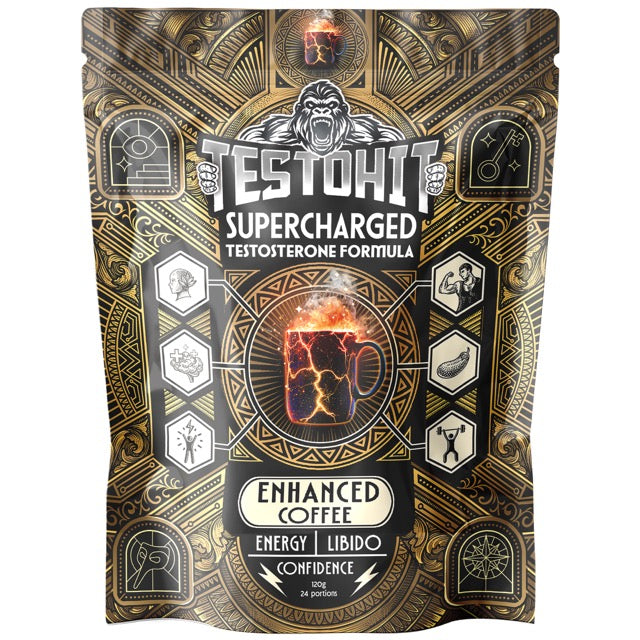
SUPERCHARGED coffee is perfect for semaglutide users because it delivers 3g of creatine in a daily ritual. Most people forget to take their creatine, but they never forget their coffee. It also contains B vitamins and zinc, which help with the energy and metabolic issues I mentioned. The caffeine also provides a much-needed energy boost if you are struggling with the "Ozempic fatigue."
MAXX capsules provide a higher dose of Vitamin D3 (100μg) and Magnesium. Since Vitamin D is fat-soluble and stored in your fat cells, rapid fat loss can mess with your levels. Having a steady supply of D3, Zinc, and Magnesium in one capsule simplifies the whole process.
Disclaimer: Semaglutide is a prescription medication. You must consult with your prescribing physician before adding any supplements to your routine. This article is for educational purposes and does not replace medical advice.
Frequently Asked Questions
What supplements should I take with semaglutide?
Protein, B12, Magnesium, and Creatine are the most important. They help prevent muscle loss, combat fatigue, and ensure your electrolytes stay balanced during rapid weight loss.
Does semaglutide deplete B12?
Yes, by slowing gastric motility, it can impair the absorption of B12. Supplementing with 1000mcg of methylcobalamin is often necessary to maintain energy levels.
How do I prevent muscle loss on semaglutide?
Keep your protein intake high (at least 1.6g per kg of body weight) and use creatine daily. Strength training is also vital to tell your body to keep its muscle.
Is creatine safe with semaglutide?
Yes, creatine is safe and highly recommended to help preserve lean muscle tissue and support cellular energy during a caloric deficit.
Why am I tired on semaglutide?
Fatigue is usually caused by a combination of a massive caloric deficit, B12 deficiency, and electrolyte imbalance. Correcting these three things usually restores energy quickly.
What electrolytes are needed with GLP-1 medications?
Magnesium is the most important, but you also need to ensure you are getting enough sodium and potassium, especially if you are experiencing nausea or reduced fluid intake.
For men optimising their hormonal environment, MAXX covers zinc, magnesium, vitamin D3, and Rhodiola - the core nutrient foundation that supports these pathways. SUPERCHARGED adds creatine, shilajit, B vitamins, and piperine in a daily coffee format.


