
Shilajit and Testosterone: What the Research Actually Says
TL;DR: Shilajit is a mineral resin found in Himalayan rock, and it's one of the few natural compounds with a proper clinical trial showing it raises testosterone in healthy men - not just deficient ones. The 2016 Andrologia study found a 20.45% increase in total testosterone over 90 days. Here's what that actually means and what to look for.
Shilajit and Testosterone: What the Research Actually Says
Let's be upfront about something.
Most "testosterone boosting" ingredients get written up with a lot of enthusiasm and very thin evidence. A rat study here, a correlation there, a traditional use claim from 2,000 years ago. The category is full of wishful thinking dressed up as science.
Shilajit is different. Not because it's ancient - plenty of useless things are ancient - but because it has been put through a proper randomized controlled trial in human men. And the numbers are hard to dismiss.
What shilajit actually is
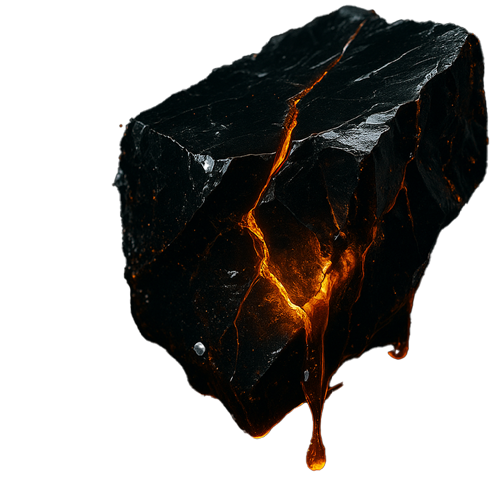
It's a thick, sticky resin that seeps from rock formations in the Himalayas and other high-altitude mountain ranges. Over thousands of years, plant matter gets compressed, humified, and concentrated into this mineral-dense substance. It contains fulvic acid, humic acid, and over 80 trace minerals in ionic form.
Sounds unusual. It is. But unusual doesn't mean ineffective, and in this case the mechanism makes sense - which we'll get to.
The study worth knowing about
Biswas et al., published in Andrologia in 2016.
250mg of purified shilajit, twice daily. 90 days. 75 healthy male volunteers aged 45-55. This is a meaningful detail - they weren't recruiting men with clinically diagnosed low testosterone. These were healthy men. The effect being measured was optimization, not correction of severe deficiency.
Results after 90 days:
- Total testosterone: up 20.45%
- Free testosterone: up 19.1%
- DHEA: significantly increased
- FSH: maintained within normal range
That's a substantial hormonal shift from a natural compound taken for three months. A 20% increase in total testosterone is the kind of number that would justify a pharmaceutical patent if it came from a drug.
It came from a mineral resin.
How it works at a cellular level
Shilajit's effects on testosterone appear to work through multiple pathways.
Fulvic acid - the primary active compound - supports mitochondrial function. This matters because testosterone production in the Leydig cells of the testes is an energy-intensive process. Better mitochondrial efficiency means those cells can produce more testosterone with the same biological input. It's essentially improving the efficiency of the factory rather than just providing more raw materials.
Shilajit also appears to support the hypothalamic-pituitary-gonadal axis - the communication chain between your brain and your testes. LH (luteinizing hormone) signals the testes to produce testosterone. When this signaling pathway is working properly, production is better maintained.
There's also evidence that fulvic acid acts as an antioxidant within testicular tissue, protecting Leydig cells from the oxidative stress that accumulates with age. Older cells produce less testosterone partly because oxidative damage degrades their function over time. Shilajit appears to slow that process.
What to look for in a product
This part matters because not all shilajit is the same. Not even close.
Raw, unpurified shilajit can contain heavy metals, fungi, and other contaminants at meaningful concentrations. The clinical studies use purified, standardized shilajit - and that's the only form worth using.
Look for:
- "Purified shilajit" or "PrimaVie" (a patented standardized form used in clinical research)
- Standardized fulvic acid content (usually 50-60%)
- Third-party tested for heavy metals
- Transparent dosing - 250-500mg/day is where the research sits
Anything sold as raw shilajit powder at suspiciously low prices is worth avoiding.
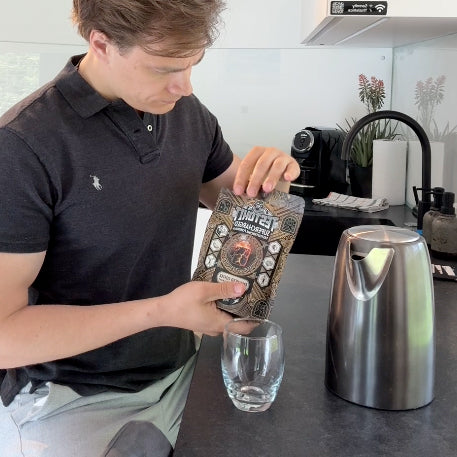
Shilajit in SUPERCHARGED
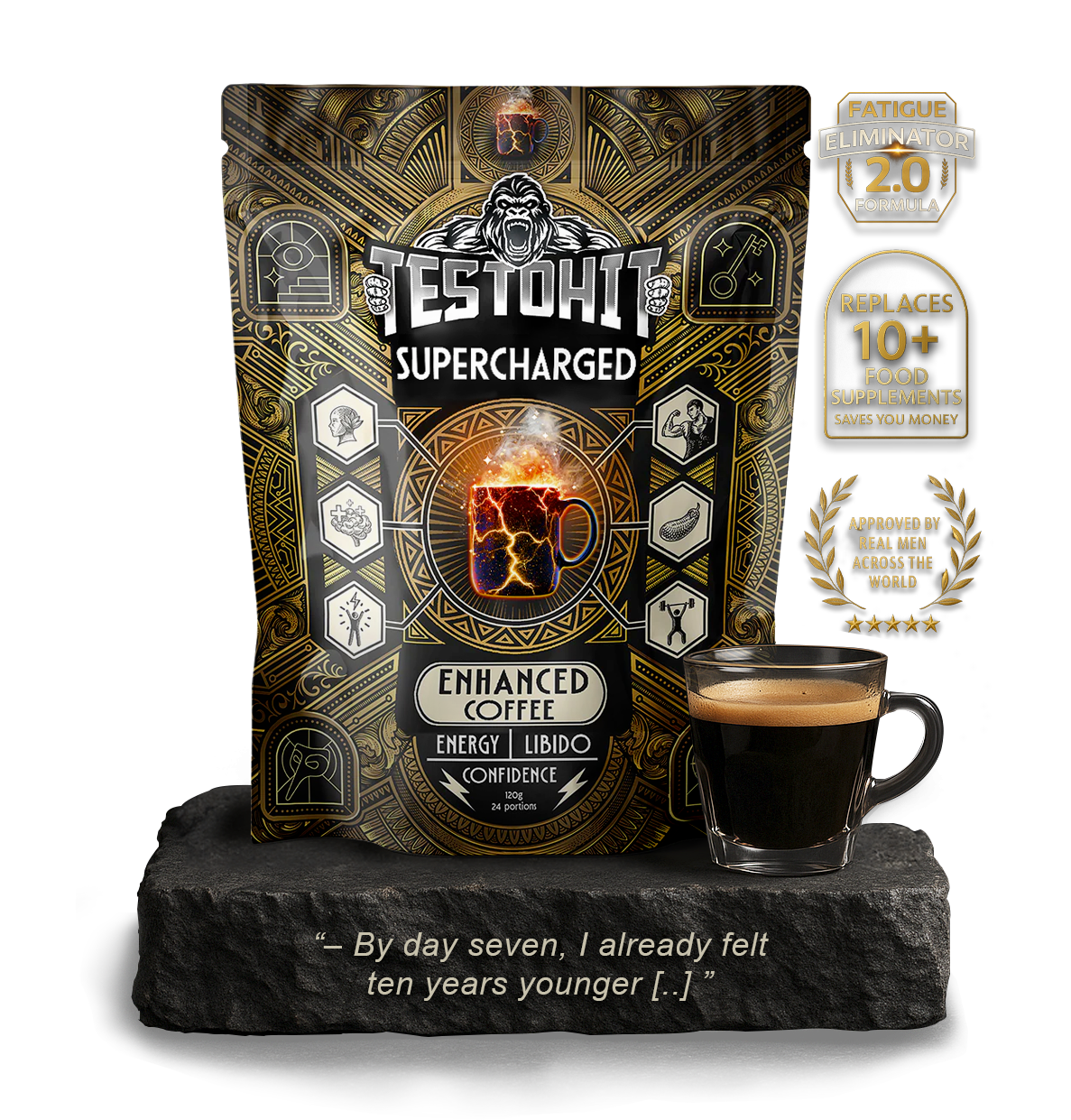
SUPERCHARGED uses purified shilajit as a core component of its T-support stack. It sits alongside zinc, fenugreek, vitamin D, and magnesium - ingredients that work through different pathways and complement each other rather than overlapping.
If you want to try shilajit as part of a complete daily supplement ritual rather than as a standalone, SUPERCHARGED covers it in a morning coffee format. 90-day guarantee, so the timeline matches the research.
Realistic expectations
The 20.45% increase from the Andrologia study happened over 90 days of twice-daily dosing. That's not a week. That's three months of consistency.
You won't feel it in day one. You might start noticing something around weeks 4-6 - slightly better energy, stronger workouts, steadier mood. The full hormonal shift takes the 90-day window to develop.
That's also why the guarantee on SUPERCHARGED runs 90 days rather than the 30 or 60 days most supplement brands offer. If the research says 90 days, the guarantee should match.
Frequently Asked Questions
Does shilajit actually increase testosterone?
According to Biswas et al. (Andrologia, 2016), purified shilajit at 250mg twice daily for 90 days increased total testosterone by 20.45% in healthy men aged 45-55. That's a proper randomized controlled trial, not a correlation or a rat study.
How long does shilajit take to affect testosterone?
Based on the clinical trial, the significant changes were measured at 90 days. Most men report noticing energy and recovery improvements earlier - around 4-6 weeks - with the fuller hormonal effect taking the complete 90-day period.
What type of shilajit should I use?
Purified, standardized shilajit. Either PrimaVie (a patented research form) or another purified extract with verified fulvic acid content and heavy metal testing. Avoid raw or unpurified shilajit.
Is shilajit safe to take daily?
Purified shilajit at research-supported doses (250-500mg/day) is considered safe for healthy adult men. Not recommended for people with kidney disease or hemochromatosis. If you're on blood pressure medication, check with your doctor.
Can you get shilajit from food?
No. It's a mineral resin that seeps from mountain rock - it doesn't exist in any meaningful quantity in food. Supplementation is the only practical way to get clinically relevant doses.


