
Low Testosterone Treatment UK: NHS and Natural Options
Written by Gatis Strods, founder of TestoHit
TL;DR: NHS low testosterone treatment typically requires two separate morning blood tests showing levels below 8-12 nmol/L. If you qualify, you may be offered gels or injections, but many men find the criteria very difficult to meet.
The NHS Bar for Testosterone Treatment

The NHS will treat clinically low testosterone, also known as hypogonadism, but the threshold is significantly higher than most men expect. You typically need to show two separate morning blood tests with total testosterone levels below 8-12 nmol/L, depending on your local NHS trust, while also experiencing clear physical or mental symptoms.
One low result is rarely enough for a prescription. Doctors often look for other causes first, such as obesity, diabetes, or medication side effects. Because the NHS range for "normal" is so broad (8-29 nmol/L), many men who feel symptomatic at 10 or 12 nmol/L find themselves told their levels are fine, even if they were significantly higher just a few years earlier.
NHS Criteria for Treatment
To qualify for low testosterone treatment on the NHS, you must demonstrate a clinical deficiency through repeated laboratory testing and a physical examination. This process ensures that the low reading is a chronic issue and not a temporary dip caused by illness, stress, or a lack of sleep.
The GP will usually ask about your energy levels, libido, and mood. They might also check for signs of physical change, like reduced muscle mass or increased body fat. If your levels sit in the "grey area" between 8 and 12 nmol/L, some trusts may offer a trial of treatment, but this is less common than it used to be. For most men, getting an NHS prescription requires a very clear, persistent deficiency that falls well below the average for their age group.
What the NHS Offers

If you are diagnosed with hypogonadism, the NHS typically offers testosterone replacement therapy (TRT) in the form of gels, injections, or patches. Gels like Testogel or Tostran are the most common first-line treatments because they are easy to apply at home and provide a steady daily dose of the hormone.
For those who prefer a longer-term solution, injections like Sustanon or Nebido are available. Sustanon is usually given every two to three weeks, while Nebido is a slow-release formula given every 10 to 14 weeks. While these treatments are effective for those with a medical need, the NHS does not generally prescribe them for age-related decline if your levels remain within the laboratory's "normal" reference range.
Private TRT Clinics in the UK
Private clinics offer a faster and often more personalised alternative to the NHS for men who suspect they have low testosterone. Clinics like Optimale, Balance My Hormones, and Harley Street specialists typically charge between £100 and £200 per month for their services, which includes regular blood monitoring and medication.
These clinics often have a more nuanced approach to the "normal" range. They frequently treat men who fall into the suboptimal category (10-15 nmol/L) if those men are experiencing a poor quality of life due to their symptoms. While this is not medical advice, it is a factual part of the UK healthcare market. Private clinics often move much faster than the NHS, but the ongoing costs can be a significant commitment for many men.
The Gap: Suboptimal Testosterone

Most men with low testosterone symptoms fall into a "gap" where their levels are around 10-15 nmol/L, which is too high for the NHS to treat but low enough to cause issues like fatigue and brain fog. This suboptimal range affects millions of men in the UK who feel they have lost their edge but do not meet the strict criteria for a clinical diagnosis.
This group is often left with very few options. They may not want to commit to the lifelong requirement of TRT or the high monthly costs of a private clinic. For these men, focusing on nutritional support and lifestyle changes is the most practical way to improve their symptoms and naturally support their body's own hormone production.
Natural Optimisation for Suboptimal Levels
You can improve your testosterone levels naturally by focusing on the primary building blocks of hormone production: zinc, vitamin D, and magnesium. Research has shown that these nutrients are essential cofactors for the body to produce and use testosterone effectively.
For example, a study by Pilz et al. in Hormone and Metabolic Research (2011) found that men who took Vitamin D for a year saw a significant increase in their total and free testosterone levels. Magnesium is also vital; Cinar et al. in Biological Trace Element Research (2011) showed that magnesium supplementation can raise testosterone in both sedentary and active men. Beyond supplements, prioritising heavy resistance training and consistent sleep of 7-8 hours can help push your numbers back toward your personal baseline.
Why TestoHit is Different
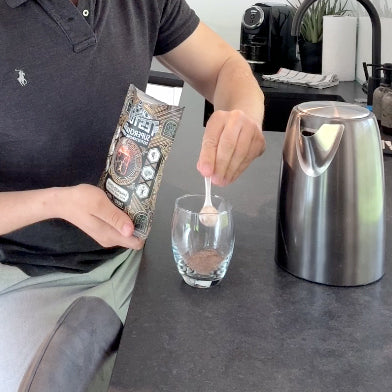
TestoHit provides a way for men in the suboptimal range to support their health without the complexity of medical treatment. boost Testosterone Coffee combines high-quality Robusta coffee with zinc, magnesium, and vitamin D, plus herbal extracts like shilajit and fenugreek. It is designed to be a simple addition to your morning routine.
If you want a more targeted approach, TestoHit MAXX capsules contain 100μg of Vitamin D3 alongside DAA and boron. Boron is particularly interesting because it has been shown to reduce SHBG levels, which helps free up more of the testosterone you already have. This is a practical solution for men who want to optimise their hormones naturally before considering medical intervention.
Disclaimer: This article is for informational purposes only and does not constitute medical advice. If you suspect you have low testosterone or any other health condition, you should consult your GP for a formal diagnosis and treatment plan.
Support your hormones naturally. Shop boost Coffee here: Try boost Testosterone Coffee or grab the MAXX capsules here: Try MAXX Capsules
Frequently Asked Questions
Will the NHS prescribe testosterone?
Yes, the NHS will prescribe testosterone if you are diagnosed with clinical hypogonadism. This requires two separate blood tests showing a clear deficiency and a consultation with a GP or endocrinologist to confirm your symptoms.
What testosterone level qualifies for NHS treatment?
Most NHS trusts look for a total testosterone level below 8 nmol/L. Some may consider treatment if your level is between 8 and 12 nmol/L and you have severe symptoms, but the 8 nmol/L threshold is the standard benchmark for most cases.
How long does NHS testosterone treatment take to work?
You may start to notice improvements in your energy and libido within 3 to 6 weeks of starting TRT. However, changes in body composition, such as muscle mass and fat loss, can take 6 to 12 months of consistent treatment and regular blood monitoring to become fully apparent.
What is the alternative to NHS TRT?
The main alternatives are private TRT clinics or natural optimisation. Private clinics offer more flexibility but come with higher costs. Natural optimisation involves changing your diet, taking supplements like zinc and vitamin D, and improving your sleep and exercise habits.
Can I get testosterone gel on the NHS?
Yes, testosterone gel is one of the most common treatments prescribed by the NHS. It is usually applied once a day to the shoulders or upper arms, and the hormone is absorbed through the skin into the bloodstream.
What is private TRT and how much does it cost UK?
Private TRT is treatment provided by independent clinics outside of the NHS. It typically costs between £100 and £200 per month, covering the cost of the doctor's consultation, regular blood tests, and the testosterone medication itself.


