
BPC-157: What Supplements to Stack With It
Written by Gatis Strods, founder of TestoHit
TL;DR: BPC-157 requires specific cofactors like Vitamin C and Zinc to effectively repair connective tissue and modulate the inflammatory response. These nutrients provide the structural components needed for the collagen synthesis that BPC-157 stimulates.
BPC-157: What Supplements to Stack With It
I see a lot of people using BPC-157 for "miracle" healing of old injuries. It is a powerful tool, but it is not magic. It is a peptide that upregulates specific healing pathways. If your diet is poor and you are nutrient-deficient, BPC-157 is trying to build a bridge with no steel. You need a specific stack of supplements to ensure your body can keep up with the repair speed the peptide is demanding.
What is BPC-157?

BPC-157 stands for Body Protection Compound 157, a synthetic peptide derived from a protein found in human gastric juice. It is primarily researched for its ability to accelerate the healing of tendons, ligaments, and muscle tissue. It also shows promise for gut health and reducing systemic inflammation. Sikiric et al. have published numerous studies in journals like Peptides and the Journal of Physiology demonstrating its effectiveness in animal models. They found it can help with everything from tendon-to-bone healing to repairing the gut lining.
Why BPC-157 + Vitamin C
Vitamin C is the non-negotiable cofactor for the collagen synthesis that BPC-157 triggers. BPC-157 works by upregulating growth factors like VEGF and TGF-beta. these factors tell your body to lay down new collagen to fix a tear or a wound. However, the actual chemical process of making collagen requires vitamin C for a step called hydroxylation. Without it, the collagen fibres are "loose" and weak. It is like trying to make concrete without the water.
I recommend 500-1000mg of vitamin C daily while using BPC-157. This ensures that the new tissue being formed is structurally sound. If you are healing a chronic tendon issue, don't skip this. The goal is a permanent fix, not just a temporary reduction in pain.
Zinc + BPC-157

Zinc is required for the enzymes that remodel your tissue during the healing process. These enzymes are called matrix metalloproteinases (MMPs). BPC-157 influences how these enzymes move into the injured area to clear out damaged cells and lay down new ones. Prasad et al. (Nutrition, 1996) showed that zinc is fundamental to this type of cellular repair. If your zinc levels are low, the tissue remodelling is sluggish. You might heal, but it will take twice as long. A dose of 15-25mg of zinc is usually enough to support this pathway.
Magnesium for recovery
Magnesium supports muscle relaxation and reduces the systemic inflammation that can slow down recovery. When you have an injury, the surrounding muscles often go into a protective spasm. This reduces blood flow to the area. Magnesium helps those muscles relax, allowing the BPC-157 to travel through the bloodstream and reach the site of the injury more effectively. It also supports the production of ATP, which provides the energy cells need to divide and repair themselves.
Shilajit and mitochondrial function
Shilajit contains fulvic acid, which helps your mitochondria produce energy more efficiently in healing tissue. Healing is an "expensive" process for your cells. It takes a massive amount of cellular energy to knit a tendon back together. Biswas et al. (Andrologia, 2016) found that shilajit can improve mitochondrial function and overall vitality. Adding shilajit to a BPC-157 protocol ensures the "engine" of your cells is running hot enough to handle the repair work.
What NOT to take with BPC-157
You should avoid high-dose NSAIDs and excessive alcohol while using BPC-157. NSAIDs like ibuprofen work by blocking the COX-2 enzyme. While this reduces pain, it also blunts the initial inflammatory signal that tells your body to start healing. BPC-157 works with the body's natural repair mechanisms, so you don't want to shut them down with painkillers. Alcohol is also a problem. It impairs collagen synthesis and dehydrates the tissues you are trying to fix. If you want the peptide to work, stay sober and let the natural process happen.
MAXX and SUPERCHARGED as supporting stacks
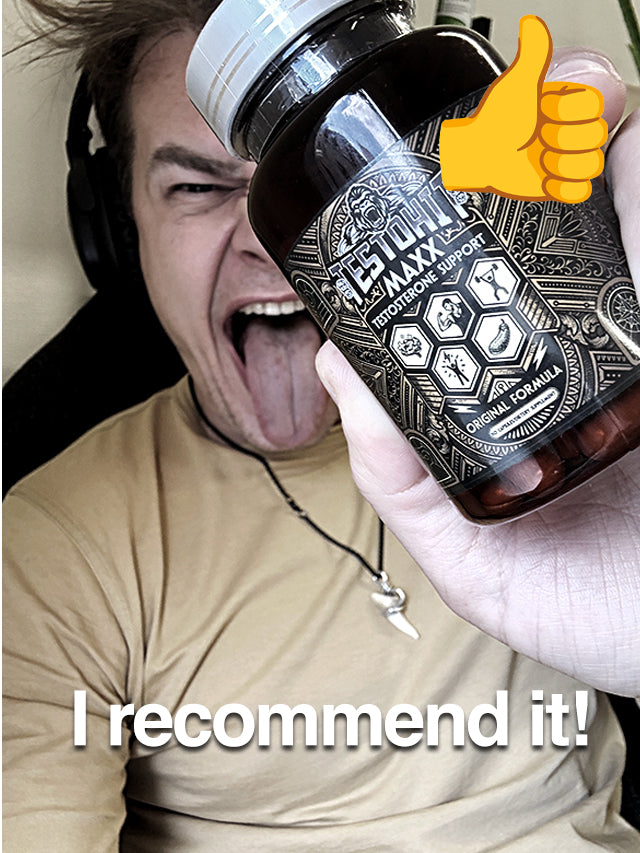
MAXX capsules provide the zinc, magnesium, and vitamin D3 that serve as the baseline for any healing protocol. It also includes B vitamins which are necessary for the energy metabolism involved in tissue repair. For someone focused on recovery, having these cofactors locked in is the first step.
SUPERCHARGED coffee is useful here because of the 3g of creatine and the shilajit. Creatine provides the immediate energy (ATP) that cells need for the fast-acting repair BPC-157 demands. The shilajit and piperine in the coffee improve the bioavailability of your other supplements. It's a simple way to get your recovery nutrients in a daily ritual.
Disclaimer: BPC-157 is currently a research peptide and is not approved for human consumption by the FDA or EMA. Always consult with a medical professional before considering research compounds. This article discusses nutritional support for biological pathways, not medical advice.
Frequently Asked Questions
What supplements enhance BPC-157?
Vitamin C and Zinc are the most important supplements to stack with BPC-157. They provide the necessary cofactors for collagen synthesis and tissue remodelling enzymes.
Does vitamin C help BPC-157?
Yes, vitamin C is essential for the hydroxylation of collagen. Without it, the tissue repair stimulated by BPC-157 will be structurally weaker and less effective.
Can I take zinc with BPC-157?
Yes, zinc is a key cofactor for the enzymes (MMPs) that handle tissue repair. Supplementing with 15-25mg of zinc can support the remodelling phase of healing.
What to avoid while taking BPC-157?
Avoid high doses of NSAIDs (like ibuprofen) and alcohol. NSAIDs can blunt the healing signal, while alcohol interferes with protein synthesis and tissue hydration.
Does BPC-157 need any specific nutrients?
While it doesn't "need" them to function, its results are heavily dependent on having adequate Vitamin C, Zinc, and Magnesium to actually build the new tissue.
How long does BPC-157 take to work?
Many users report feeling a reduction in pain within 1-2 weeks, but structural healing of tendons or ligaments usually takes 4-6 weeks of consistent use and proper nutritional support.
For men optimising their hormonal environment, MAXX covers zinc, magnesium, vitamin D3, and Rhodiola - the core nutrient foundation that supports these pathways. SUPERCHARGED adds creatine, shilajit, B vitamins, and piperine in a daily coffee format.


