
Best Shilajit UK 2026: What to Buy, What to Avoid, and What the Research Shows
Written by Gatis Strods, founder of TestoHit
TL;DR: Shilajit is a geological resin containing fulvic acid and trace minerals. Clinical trials by Biswas (2016) and Pandit (2016) suggest it may increase testosterone levels and improve sperm quality in men. Look for third-party tested products with at least 50% fulvic acid. Avoid products with heavy metal contamination or fake fillers.
What Shilajit Actually Is
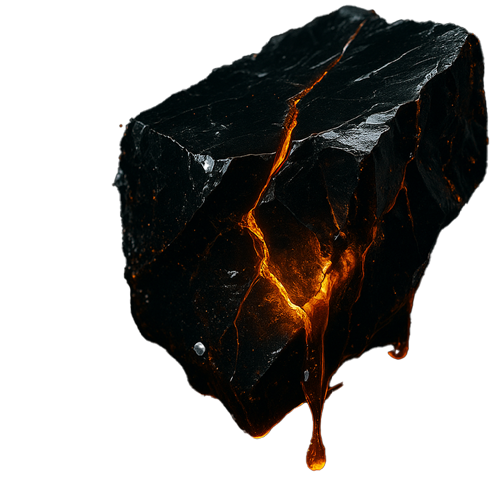
Shilajit isn't a herb. It doesn't grow in a field. It's a sticky, black mineral resin that seeps out from rocks in high-altitude mountain ranges. Over centuries, plant matter and minerals decompose under intense geological pressure. The result is a substance packed with fulvic acid, humic acid, and more than 80 different minerals.
People in the Himalayas have used it for thousands of years. They call it "the destroyer of weakness." In the UK, it has moved from niche health shops to mainstream popularity. But most of the marketing you see online is fluff. To understand if it works, you have to look at the chemistry.
The main active component is fulvic acid. This is a small molecule that acts as a carrier. It helps your cells absorb minerals more effectively. Without it, shilajit is just expensive mountain tar. Most high-grade shilajit uk products contain between 40% and 60% fulvic acid. If a brand doesn't list this percentage, skip it.
The Geological Reality: Himalayas vs. Altai
You will see two main types of shilajit on the UK market: Himalayan and Altai. There is a difference in price and quality.
Himalayan shilajit is generally considered the gold standard. It is harvested at altitudes above 16,000 feet. The extreme environment and specific plant species that decompose there create a unique chemical profile. It's harder to get, which makes it more expensive.
Altai shilajit comes from the Altai mountains in Russia, Mongolia, and China. It is often cheaper and more abundant. While it contains similar compounds, the concentration of fulvic acid is typically lower than the Himalayan variety. Some Altai resins are perfectly fine for general health, but if you're looking for the specific testosterone-related benefits shown in clinical studies, the Himalayan source is usually preferred.
Processing is where things get messy. Raw shilajit is often contaminated with heavy metals like lead, arsenic, and cadmium. It can also contain soil fungi or bird droppings. Before it's fit for human consumption, it must be purified. Reputable suppliers use a series of filtration and cold-extraction processes to remove impurities while keeping the bioactive compounds intact.
What the Research Shows
The hype around shilajit often outpaces the science, but the science is actually quite interesting. There are three key studies that every buyer should know.
Testosterone and Sperm Quality
In 2016, a study published in the journal Andrologia by Pandit et al. investigated the effect of purified shilajit on healthy volunteers aged between 45 and 55. The participants took 250mg of shilajit twice a day for 90 days. The results were significant. The researchers found a 20.45% increase in total testosterone levels. They also observed a significant increase in free testosterone and dehydroepiandrosterone (DHEA).
This wasn't a one-off. Another study by Biswas et al. (2016) in Andrologia looked at 60 infertile men. After 90 days of taking 200mg of shilajit daily, more than half of the men showed a significant increase in total sperm count and sperm motility. They also saw a decrease in oxidative stress markers in the semen.
Safety and Toxicology
Safety is a valid concern when you're eating a rock resin. Stohs et al. (2016) published a review in the Journal of Medicinal Food focusing on the safety profile of shilajit. They concluded that purified shilajit is safe for human consumption at doses up to 500mg per day. The key word here is "purified." The study highlighted that the risks come from raw, unprocessed material which may contain heavy metals or mycotoxins.
Forms Available in the UK: Resin, Powder, or Capsule?
When searching for shilajit uk, you'll find it in three main forms. Each has its pros and cons.
1. Resin
This is the most traditional form. It's a thick, tar-like substance. Most purists argue that resin is the most bioavailable because it hasn't been through the extra heat-intensive drying processes required to make powders.
- Pros: Least processed, highly concentrated.
- Cons: Tastes like burnt rubber and dirt. Messy to handle. Hard to dose accurately without a small scale or spoon.
2. Powder
Powdered shilajit is often created by spray-drying the liquid extract onto a carrier. This makes it easier to mix into smoothies or coffee.
- Pros: Convenient. Easy to mix.
- Cons: Lower concentration of fulvic acid per gram. High risk of fillers or "proprietary blends" that hide the actual shilajit content.
3. Capsules
Capsules contain either the dried powder or a concentrated extract.
- Pros: No taste. Consistent dosage. Portable.
- Cons: You rely entirely on the manufacturer's honesty regarding the extract quality. Hard to verify the "purity" of the contents without lab tests.
What to Look for When Buying Pure Shilajit UK
Don't buy shilajit from a random seller on a marketplace site without doing your homework. Here is the checklist for high-quality shilajit.
Fulvic Acid Percentage
The label must state the fulvic acid content. Look for 50% or higher. If a brand just says "pure shilajit" without a percentage, they might be selling low-grade material.
Heavy Metal Testing
Every batch of shilajit should be tested for lead, mercury, arsenic, and cadmium. Ask the company for a Certificate of Analysis (CoA). If they refuse to show it, walk away. The UK has strict standards, but some products imported from overseas bypass these checks.
Third-Party Certification
Look for brands that use independent labs for testing. Internal testing is better than nothing, but third-party verification adds a layer of trust.
Processing Method
Avoid shilajit that has been processed using high heat. High temperatures can degrade the fulvic acid and other sensitive bioactives. Look for "cold-processed" or "purified at low temperatures."
What to Avoid
Be careful with "proprietary blends." These are often used to hide the fact that there is very little shilajit in the product. You might see a "male performance blend" that lists shilajit at the end of the list, meaning it's a tiny fraction of the total weight.
Avoid "fake" resins. Some companies sell molasses or ozokerite (a mineral wax) as shilajit. Real shilajit resin will dissolve completely in warm water without leaving any gritty residue. It will also become hard in the fridge and soft/pliable at room temperature. If your "resin" stays soft in the fridge, it's probably fake.
How TestoHit boost Fits In
If you are looking to integrate shilajit into your daily routine, you don't necessarily need to deal with the messy resin. Some men find the ritual of dissolving resin in water too tedious or the taste too off-putting.
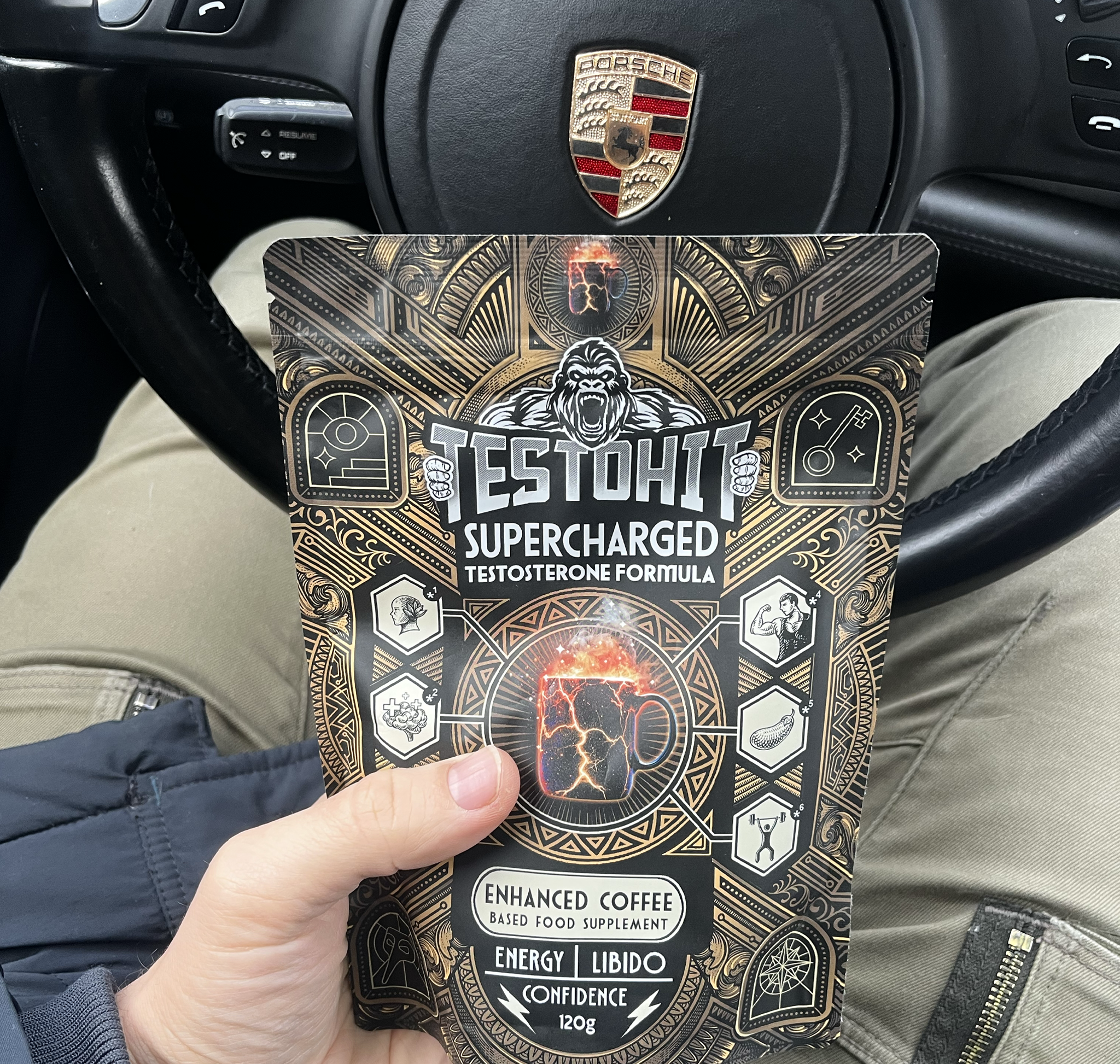
TestoHit boost coffee includes purified shilajit as part of a broader nutritional stack. Instead of taking it as a separate, bitter supplement, it's built into your morning coffee. This approach provides a steady, measured dose alongside other cofactors like zinc and vitamin D. It's a more integrated way to support your natural levels without the hassle of measuring out tar with a tiny spoon.
The shilajit used in boost is lab-tested for purity and standardised for its active components. It's a convenient option for men who want the benefits shown in the Pandit and Biswas studies but prefer a consistent, professional-grade formulation.
Conclusion
Shilajit is one of the few natural substances with decent clinical data backing its use for male hormone support. It isn't a magic pill. It won't fix a bad diet or a lack of sleep. But if you're already doing the work in the gym and in the kitchen, high-quality shilajit uk can be a valuable addition to your protocol.
Stick to purified Himalayan resins or standardised extracts from brands that provide lab results. Focus on the fulvic acid content and stay away from cheap, unverified powders.
*
Ready to Take Action?
Looking for a simpler way to get your daily shilajit? Check out TestoHit boost Testosterone Coffee. It's a professional-grade stack that includes purified shilajit, zinc, and maca in every cup.
*
Frequently Asked Questions
Is shilajit safe?
Yes, purified shilajit is generally safe for healthy adults. Research by Stohs et al. (2016) shows it has a good safety profile at recommended doses. However, you must avoid raw or unpurified shilajit, as it can contain heavy metals and fungal contaminants. Always check for a Certificate of Analysis.
How long does shilajit take to work?
Most clinical studies, such as those by Pandit et al. (2016) and Biswas et al. (2016), measured results after 90 days of consistent use. You might notice improvements in energy levels or mood within a few weeks, but for hormone-related changes, consistency over 3 months is necessary.
What's the right dose of shilajit?
Most studies use doses between 250mg and 500mg of purified extract per day. It is usually best to split this into two doses - one in the morning and one in the afternoon. Do not exceed the manufacturer's recommended dose.
Can I take shilajit with coffee?
Yes. Many people mix shilajit resin directly into coffee or tea to mask the earthy taste. TestoHit boost actually comes with shilajit pre-blended into the coffee grounds for this exact reason. There is no known negative interaction between caffeine and shilajit.
Is shilajit legal in the UK?
Yes, shilajit is legal to buy and sell in the UK as a food supplement. It is not a controlled substance. However, it must comply with UK food safety regulations regarding heavy metal limits and labelling.
Can shilajit improve my gym performance?
While shilajit is mostly studied for its effects on testosterone and fertility, the presence of fulvic acid may help with nutrient absorption and energy production at a cellular level. Some users report better endurance and faster recovery, although more specific sports science research is needed in this area.


